How Casino Settings Work in Fiction, Games and Online Clips
Explore how casino settings work in fiction, games and online clips, with a clear method for separating a story’s creative choices from practical facts.
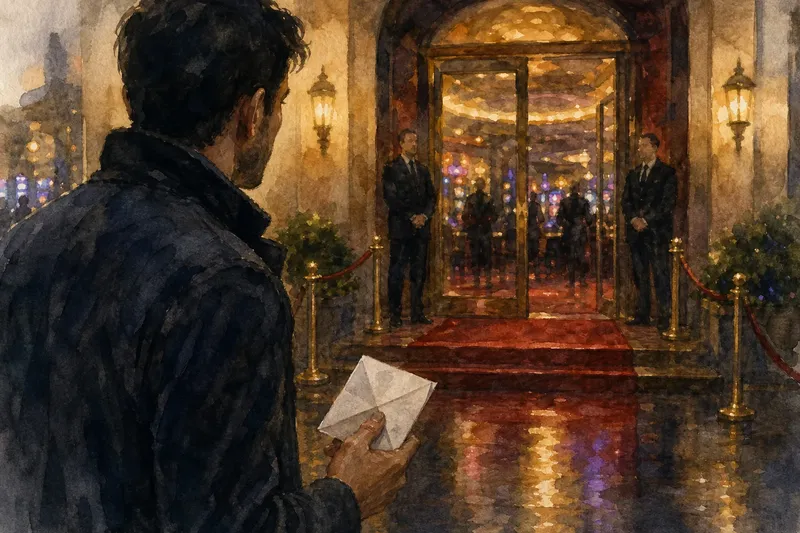
A character stands outside a casino entrance, a folded apology in hand, while the scene holds on the pause. Casino settings in fiction, games and online clips can turn that small moment into a story about status, hesitation or choice—without telling us how real venues work.
Fiction uses thresholds to show who gets in
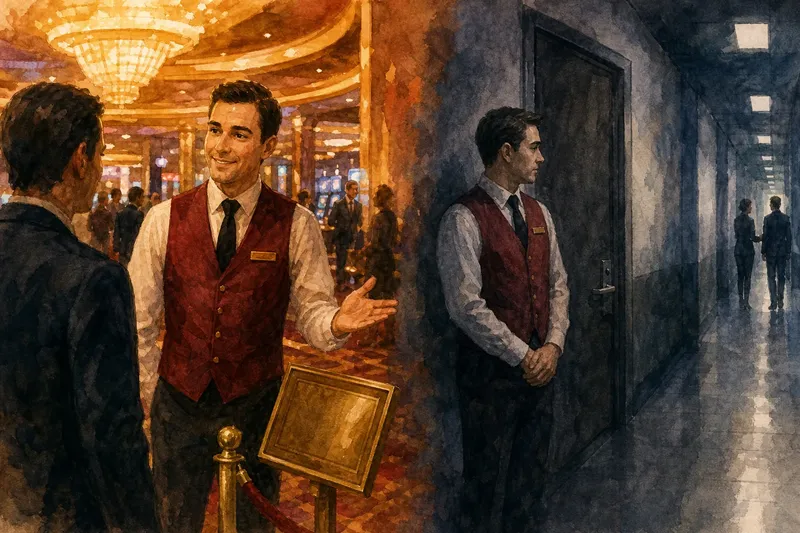
A doorway, invitation or guarded room gives a writer a visible boundary. It can suggest privilege or secrecy within the story, but that suggestion belongs to the fictional setting rather than to casinos generally.
The boundary also gives characters something to do. They might hesitate, bluff or leave, letting a writer reveal an aim through action instead of explanation.
Games make the imagined room a place to move through
A game can let players move through a casino-inspired setting rather than view it from a fixed position. Corridors, signs and lighting guide the route, while the design determines which corners appear along the way.
That route is part of the game’s construction. A polished virtual room is not a documentary account of a venue, and it cannot establish how people behave in actual casinos.
Online clips turn moments into portable images
A short clip might preserve a dramatic entrance or an uneasy pause while dropping the surrounding plot. Detached from its original scene, the image can suggest glamour or tension even if the longer work gives it a more complicated meaning.
Some stories move the setting from a public room to a person looking at a screen. That change serves the creator’s scene; it should not be treated as a portrait of everyone who uses an online service.
Use a source check to separate fiction from practical facts
When a scene prompts a question about an actual venue, service or rule, identify the exact claim before looking for an answer. A fictional character’s line can raise a useful question, but it is not a source for practical guidance.
- Check the scene’s source. If you can identify the film, game or original clip, then consult it for context; if the source is unclear, treat the image as unverified and avoid drawing a firm interpretation.
- Check whether the image is complete. If the full scene is available, compare it with the excerpt; if only a fragment remains, keep open the possibility that omitted material changes its meaning.
- Check the kind of statement being made. If it is dialogue or plot, treat it as part of the story; if it makes a factual claim about a real service, verify that claim with an appropriate source.
- Check the venue’s own information. If a question concerns current access or entry arrangements, consult the venue’s published guidance; if that information is absent or unclear, contact the venue rather than infer an answer from fiction.
- Check regulatory guidance for rules. If the question concerns a gambling rule or service, look to the relevant regulator; if the applicable authority is uncertain, seek advice from a qualified professional.
- Check whether a clip has been edited. If edits remove the speaker, date or surrounding exchange, avoid treating the remaining words as complete; if the unedited source is available, compare it before deciding what was said.
What questions help make sense of casino scenes?
Why do stories use private rooms?
A private room creates a boundary that can suggest secrecy, privilege or pressure within a plot. Its meaning depends on the work, not on a general claim about real casinos.
How does a casino setting work differently in a game?
A game can make movement through an imagined room part of the experience. The route guides attention, but it does not serve as a factual portrait of a venue.
What might an online clip leave out?
A short edit may keep a memorable gesture while removing what led up to it or followed afterwards. Compare it with the full scene, when available, before deciding what the gesture means.
How can I check a claim about a real casino?
Write down the specific claim, then consult the relevant venue or regulator for current information. If the matter has practical or legal consequences and remains unclear, seek advice from a qualified professional.
A worked example shows how a scene changes with its format
Imagine a writer starts with one character waiting outside a casino entrance, holding a folded apology. The writer turns the scene into a game: the player can choose either to approach the door or turn away. If the player chooses the door, the game shows the character crossing the threshold; if the player turns away, it shows the character leaving, making the chosen action visible without resolving what the apology means. The story and game offer different ways to present the character’s decision, but neither supplies evidence about real visitors.
For a useful reading of casino settings in fiction, games and online clips, keep the creative choice separate from any real-world claim. When a scene leaves you with a practical question, use the relevant venue or regulator’s information rather than treating a striking image as an answer.